 PickGuide
VXE Dragonfly R1 Review: Is ATK's Best-Seller Worth It?
ATK's best-seller is the VXE Dragonfly R1, sold across six sub-models (R1 S through R1 Pro Max) at different price points and sensor tiers. The entry R1 S variant is the default selection and the one driving most of the traffic, so we dug into its specific spec sheet rather than the marketing copy written for the lineup as a whole — the two don't always describe the same hardware.
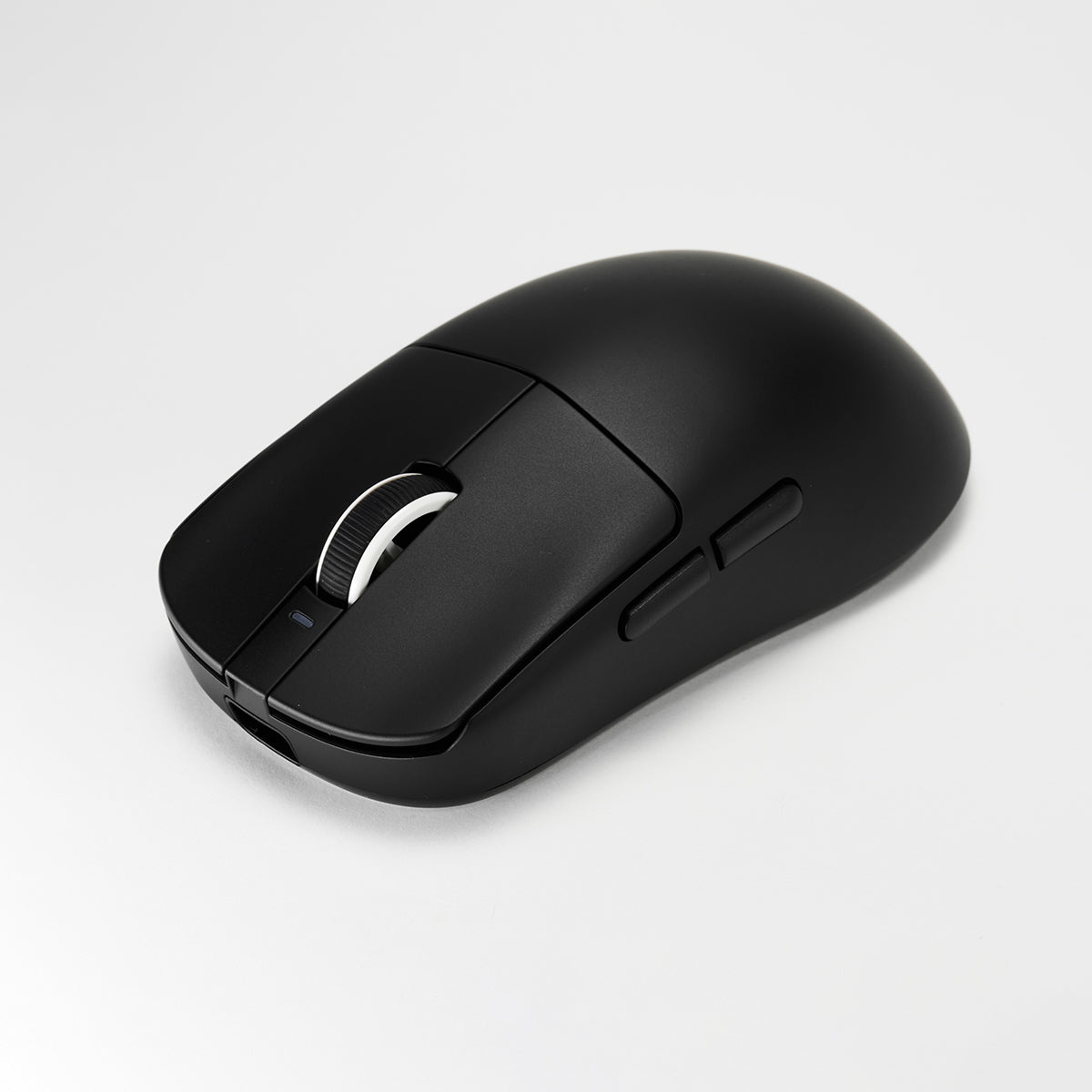
It's worth flagging upfront: the product page's marketing description talks up a PAW3395 flagship sensor and Nordic MCU, but that appears to describe the higher-tier R1/R1 Pro/R1 Pro Max models. The actual specification table for the entry R1 S variant (the default, cheapest selection) lists a different, unbranded "Xhero AI" sensor and an "ATK ONE" MCU — still a real 1000Hz polling rate and a 200-15,000 DPI range, but not the same flagship silicon mentioned in the intro copy. The R1 S weighs 55±3g, measures 120.6 x 64.1 x 37.6mm in a symmetrical shape, and uses Huano Blue Shell White Dot V2 switches with an F-Switch E10 flagship scroll wheel. Battery is a 520mAh cell rated for 150 hours at 1000Hz, and it connects via wired USB-C, 2.4GHz wireless, or Bluetooth. On-site, this product holds a strong 4.8/5 from 541 reviews — a large, real sample. Independently, ATK's Trustpilot page tells a rougher story: 3.3/5 from 204 reviews, with 53% five-star but a real 36% one-star segment, a genuinely polarized split rather than a consistently positive record.

Pros
- Genuinely ultra-light at 55±3g, with three connection modes (wired, 2.4GHz, Bluetooth)
- 1000Hz polling and a wide 200-15,000 DPI range on even the entry R1 S variant
- 520mAh battery rated for 150 hours — a real, specific figure rather than a vague claim
- 7-day no-questions-asked return window, plus 30-day defect troubleshooting with free replacement or refund if unfixable
- 541 on-site reviews at 4.8/5 is a large, real sample for this specific product
Cons
- The product page's marketing copy (PAW3395 sensor, Nordic MCU) describes a higher-tier model, not the entry R1 S variant actually selected by default — check the spec table, not just the intro paragraph, before buying
- ATK's independent Trustpilot record is genuinely polarized: 3.3/5 from 204 reviews with a real 36% one-star segment
- No stated coating on the shell for the R1 S (higher SE+/Pro variants likely differ) — worth checking if a grippier texture matters to you
- Six near-identically-named sub-models (S, N, SE+, R1, Pro, Pro Max) makes it easy to accidentally buy the wrong tier
- No published water or dust resistance rating
Who It's For
Good For
- Budget-conscious esports/FPS players who want a sub-15g-class wireless mouse with real 1000Hz polling
- Buyers comfortable double-checking the spec table for their specific sub-model before purchasing
- Anyone who wants wired, 2.4GHz, and Bluetooth flexibility in one mouse
Skip If
- You specifically want the PAW3395 sensor mentioned in the marketing copy — confirm which sub-model actually has it before buying
- You want a store with a more consistently positive independent review record
- You'd rather avoid navigating six similarly-named sub-models to find the right one
How It Compares: VXE Dragonfly R1 vs Logitech G305 Lightspeed
| Spec | VXE Dragonfly R1 | Logitech G305 Lightspeed |
|---|---|---|
| Price | $14.98 | $29.99 |
| Weight | 55g | 99g |
| DPI range | 200-15,000 | 200-12,000 |
| Battery life | 150 hours | 250 hours |
| Polling rate | 1000 Hz | 1000 Hz |
| Connectivity | Wired / 2.4GHz / Bluetooth | 2.4GHz (Lightspeed) only |
The Dragonfly R1 S is roughly half the price and nearly half the weight of Logitech's well-established G305, with a wider DPI ceiling and more connection options. Logitech's edge is a much longer battery life and a long, proven reliability track record most budget challengers haven't built up yet. If ultralight weight and price are the priority, the R1 S undercuts a household name; if a long-trusted brand and longer battery life matter more, the G305 remains the safer default.
See Logitech G305 Lightspeed →
Verified Ratings
Key Specs
| Weight | 55 ± 3g (R1 S variant) |
| Dimensions | 120.6mm x 64.1mm x 37.6mm, symmetrical shape |
| Sensor / MCU (R1 S) | Xhero AI sensor, ATK ONE MCU |
| Polling rate | 1000 Hz |
| DPI range | 200-15,000 (100 DPI steps) |
| Switches | Huano Blue Shell White Dot V2 |
| Battery | 520mAh, rated 150 hours at 1000Hz |
| Connectivity | Wired USB-C / 2.4GHz / Bluetooth |
| Returns | 7 days, no questions asked |
| Warranty/Support | 30-day defect troubleshooting; free replacement or refund if unfixable |
| Shipping | Processed within 48 business hours (most within 24 hours) |
Frequently Asked Questions
Does the R1 S have the PAW3395 sensor mentioned in the product description?
Based on ATK's own specification table for the R1 S variant specifically, no — it lists an "Xhero AI" sensor and "ATK ONE" MCU, not the PAW3395/Nordic combination described in the general marketing copy for the lineup. That flagship combination appears to apply to the pricier R1/R1 Pro/R1 Pro Max tiers. Check the spec table for your specific sub-model before ordering if the sensor model matters to you.
How many sub-models does the Dragonfly R1 come in, and what's the difference?
Six: R1 S, R1 N, R1 SE+, R1, R1 Pro, and R1 Pro Max, priced from about $15 up to $55. ATK provides a "Compare All Models" link on the product page — use it to confirm the sensor, MCU, and coating differences between tiers before choosing.
Verdict
The entry R1 S is a genuinely capable budget wireless mouse on its own real spec sheet — sub-60g, true 1000Hz polling, a specific 150-hour battery rating, and three connection modes for under $15. The catch is that ATK's own marketing description oversells the entry tier by describing hardware from the pricier models in the same lineup, so it's worth reading the actual spec table for whichever sub-model you're about to buy rather than the intro paragraph. The independent review record is also genuinely mixed, not uniformly glowing. If you go in with accurate expectations for the R1 S tier specifically, it's a strong value; if the flagship sensor is the reason you're buying, make sure you're selecting a higher sub-model that actually has it.